

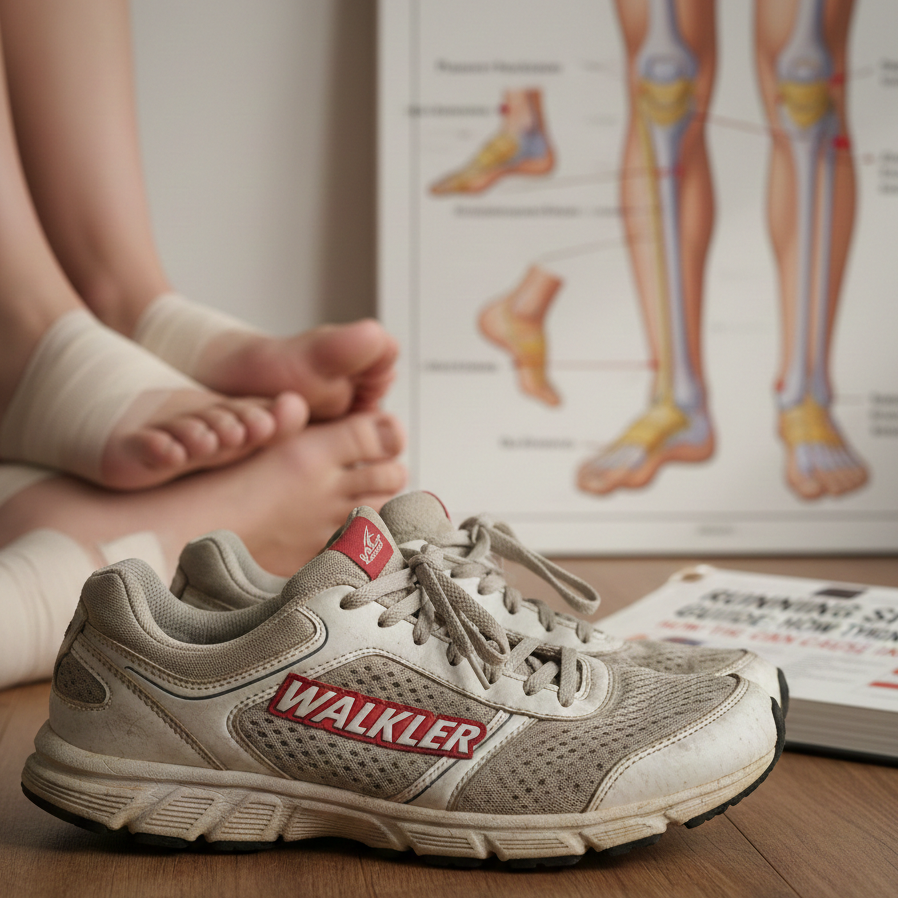
Running is one of the easiest and most effective ways to stay fit. You don’t need a gym membership or expensive equipment—just motivation and a good pair of running shoes. Unfortunately, many people ignore the importance of proper running shoes and end up using casual shoes or old sneakers. This small mistake can slowly lead to foot pain, knee problems, and even serious injuries, running shoes for daily use
In this detailed running shoes buying guide, we’ll explain why running shoes matter, how wrong shoes cause injuries, and how to choose the right running shoes for your needs
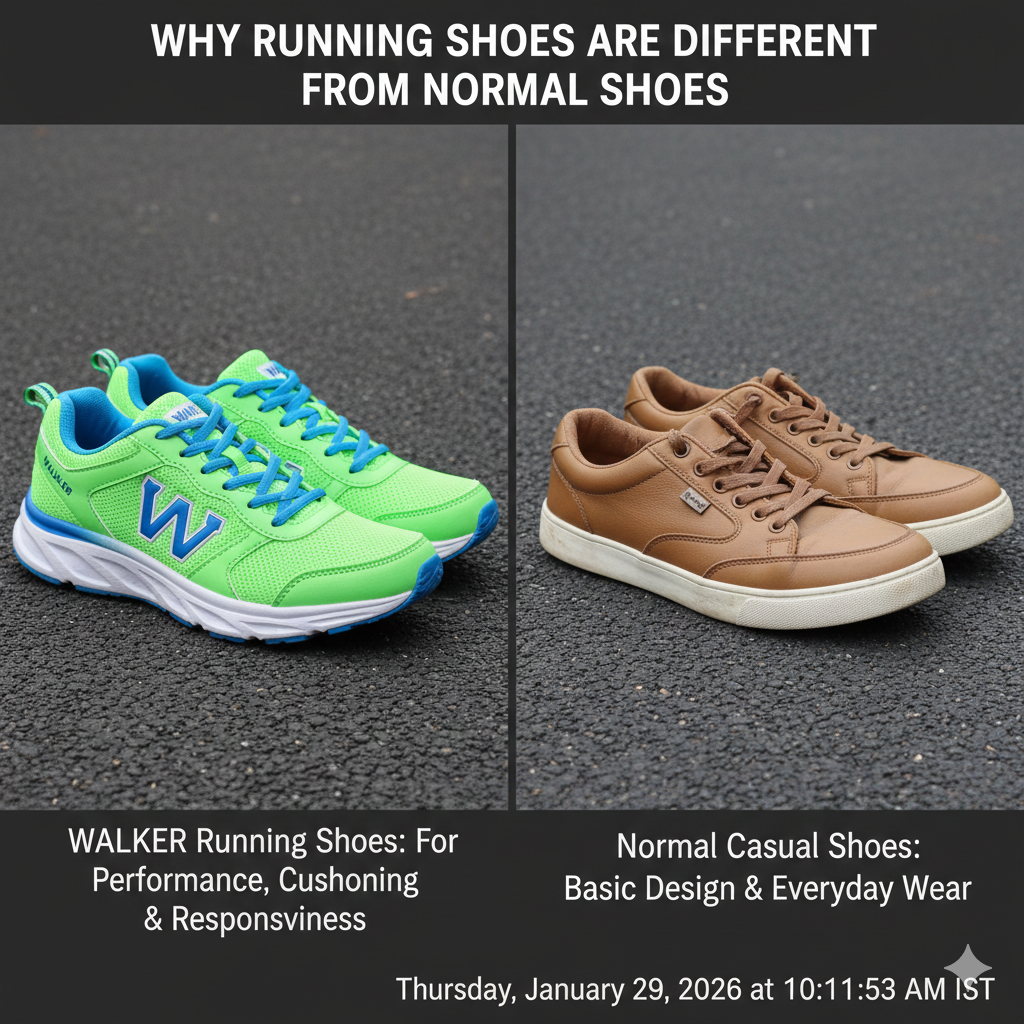
Running puts repeated pressure on your feet, ankles, knees, and lower back. Every step you take while running creates impact, and your shoes are responsible for absorbing that shock. Regular casual shoes are not designed to handle this level of stress.
Running shoes are specially built to:
Using normal shoes for running increases the risk of injuries over time, even if you run short distances.
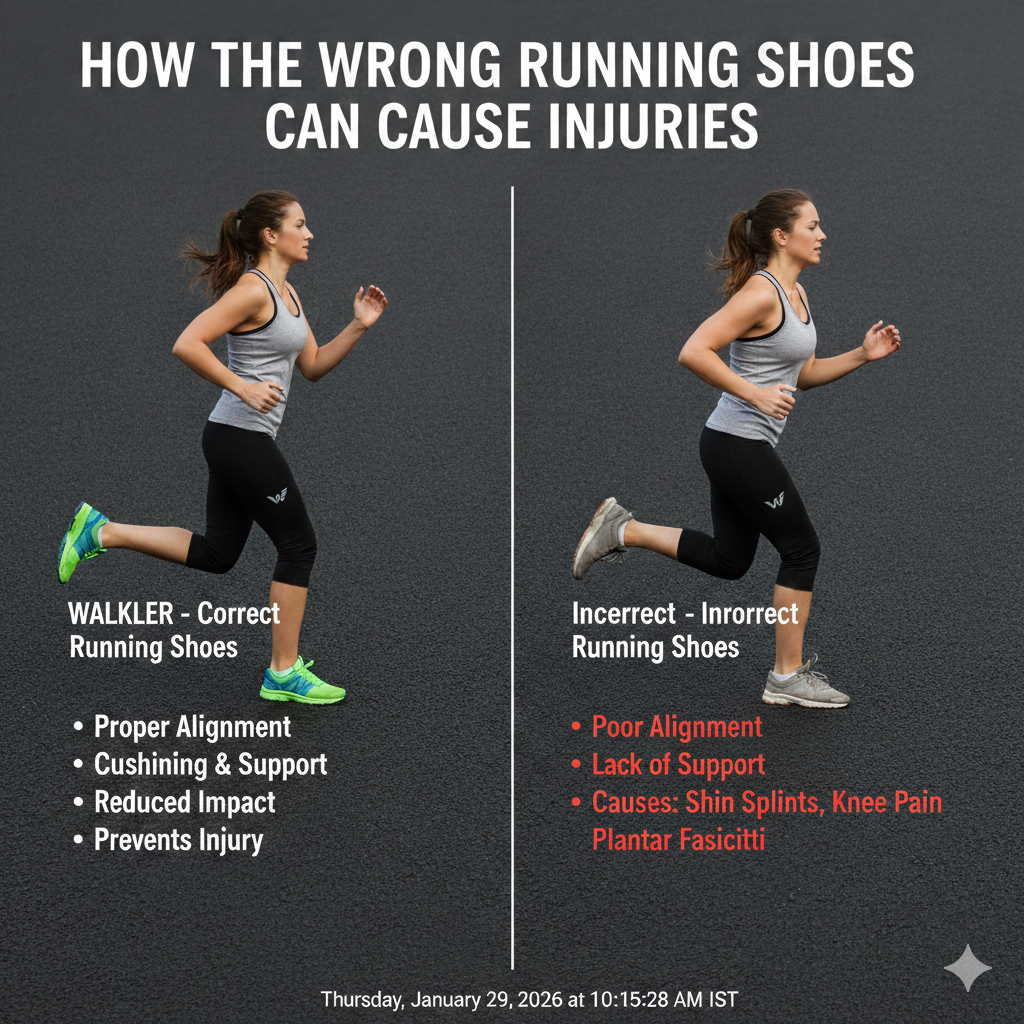
Many injuries don’t happen suddenly—they develop slowly due to poor footwear. Some common problems caused by wrong running shoes include:
These issues often start as mild discomfort and become serious if ignored. That’s why choosing the right running shoes is essential, not optional.
Before buying running shoes, always check these important features:
1. Cushioning
Good cushioning helps absorb impact when your foot hits the ground. Too little cushioning increases pressure on joints, while too much cushioning can affect balance. Choose shoes with balanced cushioning.
2. Proper Fit
Running shoes should fit snugly but not tightly. There should be a small gap between your toes and the front of the shoe. Tight shoes cause blisters, while loose shoes reduce stability.
3. Sole Grip
A strong sole grip is important for running on roads, tracks, or uneven surfaces. Poor grip can lead to slips and ankle injuries.
4. Breathable Material
Running causes sweating, especially in Indian weather. Breathable mesh material helps keep your feet cool and prevents odor and discomfort.
5. Lightweight Design
Heavy shoes make running harder and increase fatigue. Lightweight running shoes help you move freely and comfortably.
Common Mistake
Many runners, especially beginners, make these mistakes:
Avoiding these mistakes can save you from long-term pain and injuries.
To choose the right running shoes, ask yourself:
Always try walking or jogging a little before finalizing your choice. Comfort should be immediate.
Running shoes are not meant to last forever. On average, a good pair of running shoes lasts around 500–700 kilometers, depending on usage and surface. If you notice reduced cushioning, discomfort, or sole wear, it’s time to replace them.
Using worn-out running shoes increases injury risk even if they look fine from the outside.
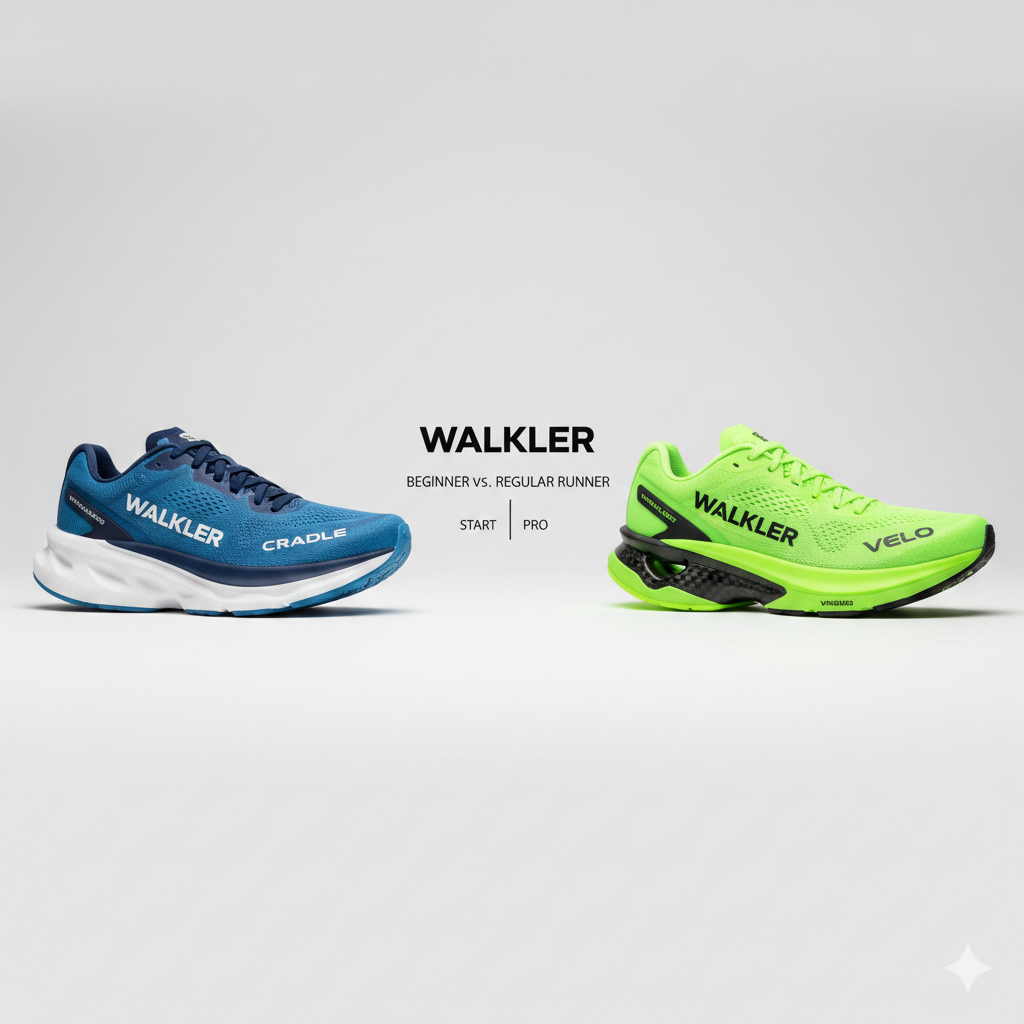
Never compromise on comfort, regardless of your experience level.
Running is great for health, but only when done safely. Wearing the wrong shoes can silently damage your feet and joints over time. Investing in proper running shoes protects your body, improves performance, and makes running enjoyable.
At Walkler, running shoes are designed with comfort, durability, and everyday performance in mind—perfect for Indian runners who want reliable support without sacrificing style.
Remember:
👉 The right running shoes don’t just help you run better—they help you stay injury-free.